
When it comes to creating a gluten-free pie crust, you might think it’s a daunting task. However, with the right blend of flours and a few key techniques, you’ll find that a flaky, tender crust is well within reach. Understanding the essential ingredients and their roles can make all the difference in your baking journey. Let’s explore how to elevate your pie crust game, ensuring it perfectly complements your chosen fillings.
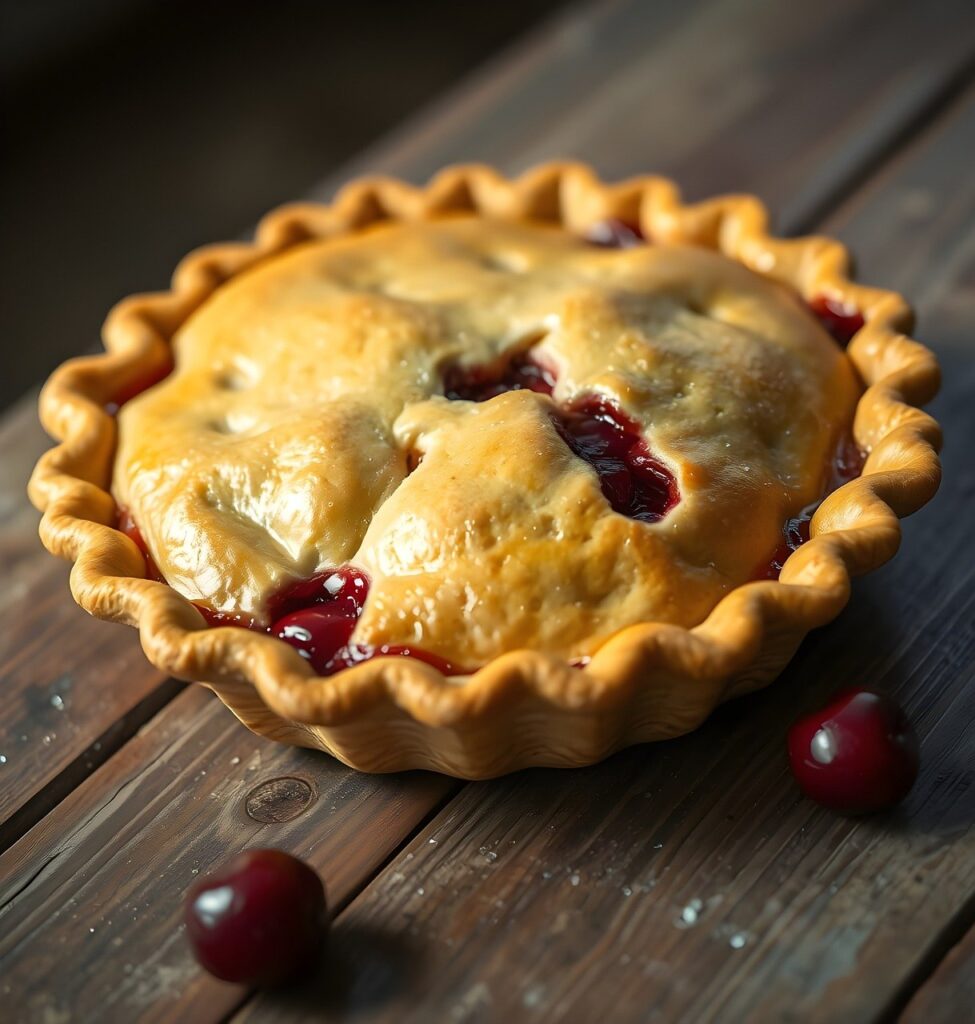
Easy & Flaky GF Pie Crust Recipe
Ingredients
- 1 1/4 cups (150 g) gluten-free all-purpose flour blend (with xanthan gum)
- 1/2 teaspoon salt
- 1 tablespoon sugar (optional, for sweet pies)
- 1/2 cup (115 g) cold butter (or dairy-free alternative)
- 1 egg (for structure and richness)
- 2–3 tablespoons ice-cold water
✅ If your flour blend does not contain xanthan gum, add 1/2 teaspoon.
Instructions
- Mix the dry ingredients:
In a medium bowl, whisk together the gluten-free flour, salt, and sugar (if using). - Cut in the butter:
Add the cold butter, cut into cubes. Use a pastry cutter or your fingers to work it into the flour until the mixture looks crumbly with pea-sized bits of butter remaining. - Add the egg and water:
Stir in the egg. Add ice water, one tablespoon at a time, mixing just until the dough starts to come together. It should hold when pressed but not be sticky. - Chill the dough:
Form the dough into a disc, wrap it in plastic, and chill for at least 30 minutes (or up to 2 days). This helps it firm up and roll out easily. - Roll it out:
Place the chilled dough between two sheets of parchment paper. Roll to about 1/8 inch (3 mm) thick. Carefully peel off one side of parchment and transfer to your pie dish. - Shape and bake:
Trim the edges and crimp as desired.- For pre-baked crusts: Prick with a fork and bake at 375°F (190°C) for 12–15 minutes, or until golden.
- For filled pies: Follow your pie recipe’s instructions.
Tips for Success
- Chill everything: Cold butter = flaky crust.
- Handle gently: Overmixing can make gluten-free dough tough.
- Add flavor: For sweet pies, try adding ½ teaspoon cinnamon or vanilla extract to the dough.
- Make it vegan: Replace butter with vegan butter and egg with 1 flax egg (1 tbsp ground flax + 3 tbsp water).
Understanding Gluten-Free Flours
When you dive into the world of gluten-free baking, understanding the various flours available can make all the difference in your pie crust’s texture and flavor. Each flour has unique properties that influence your crust’s outcome.
For instance, almond flour adds a rich, nutty taste and a tender crumb, while coconut flour absorbs moisture, requiring careful adjustments in your recipe.
Tapioca and arrowroot flours offer excellent binding and a crisp finish. Don’t overlook brown rice flour, which provides a hearty base that complements other flours beautifully.
Experimenting with these options can help you discover the perfect blend that suits your palate. Ultimately, choosing the right gluten-free flour is essential for creating a pie crust that delights your senses.
Essential Ingredients for a Perfect Pie Crust
To achieve a perfect gluten-free pie crust, you’ll need to focus on a few essential ingredients that work harmoniously together.
Start with a quality gluten-free flour blend, ideally one that contains a mix of whole grains and starches for balance. Consider adding xanthan gum or psyllium husk to provide that much-needed elasticity and structure.
Next, use cold butter or coconut oil for a rich flavor and flakiness; cold fats help create that desired texture. Don’t forget a pinch of salt to enhance the overall taste and a bit of sugar if you’re making a sweet pie.
Lastly, incorporate ice water gradually until the dough holds together, ensuring it remains tender and manageable for rolling.
Step-by-Step Guide to Making Gluten-Free Pie Crust
Creating a gluten-free pie crust can be a straightforward and rewarding process.
Begin by whisking together your chosen gluten-free flour blend, salt, and any sweetener in a bowl. Next, cut in cold butter or a dairy-free alternative until the mixture resembles coarse crumbs.
Gradually add ice water, mixing just until the dough holds together. Form the dough into a disk, wrap it in plastic, and refrigerate for at least 30 minutes.
Once chilled, roll it out between two sheets of parchment paper to prevent sticking. Carefully transfer the crust to your pie dish, trimming any excess.
With your crust prepped, you’re ready to fill it with your favorite fillings and bake to perfection. Enjoy the delicious results!
Tips for Achieving Flakiness and Texture
Achieving a flaky and tender gluten-free pie crust hinges on a few key techniques that elevate the texture and overall enjoyment of your pie.
First, use cold ingredients—chilled butter or shortening helps create that desired flakiness. When mixing, don’t overwork the dough; gently combine until just incorporated.
Consider incorporating a blend of gluten-free flours, such as almond and coconut, for added richness and texture. Adding a bit of vinegar or lemon juice can enhance tenderness.
Finally, allow your crust to rest in the refrigerator before rolling it out. This not only firms up the dough but also allows the flavors to meld beautifully.
With these tips, you’ll create a pie crust that’s both delightful and satisfying.
Sweet vs. Savory Pie Crusts: What You Need to Know
When deciding between sweet and savory pie crusts, understanding their distinct characteristics can elevate your baking experience.
Sweet pie crusts often incorporate sugar, enhancing desserts like fruit tarts and cream pies. Their buttery richness complements sweet fillings, creating a harmonious balance.
On the other hand, savory pie crusts lack sugar and may include herbs or spices, making them ideal for quiches and pot pies. The texture can be slightly sturdier, allowing them to hold hearty fillings without becoming soggy.
When choosing, consider your filling and the overall flavor profile you want to achieve. Both crusts can shine in their own right, so don’t hesitate to experiment with gluten-free options to discover your perfect match in pies.
Flavor Enhancements for Your Pie Crust
To elevate your gluten-free pie crust, incorporating flavor enhancements can make all the difference in your baking journey.
Start by adding a pinch of sea salt; it balances sweetness and highlights other flavors.
Consider infusing your flour blend with spices like cinnamon or nutmeg for that warm, inviting aroma.
A splash of vanilla extract or a hint of almond extract can elevate the overall taste, making your crust truly memorable.
For a touch of richness, experiment with citrus zest, which adds a refreshing brightness.
Lastly, using butter or coconut oil not only contributes to a tender texture but also enhances flavor.
Each of these enhancements will transform your gluten-free pie crust into something delightful and satisfying.
Common Mistakes to Avoid
Though baking a gluten-free pie crust can be a rewarding experience, several common mistakes can undermine your efforts.
One frequent error is using the wrong flour blend; not all gluten-free flours behave the same. Make sure to choose a blend designed for baking, which includes xanthan gum for structure.
Another pitfall is overmixing the dough; this can lead to a tough crust instead of a tender one.
Don’t forget to chill your dough before rolling it out; warmth can make it sticky and unmanageable.
Finally, be cautious with your baking time; gluten-free crusts can brown quickly.
Baking Techniques for Gluten-Free Crusts
Mastering the art of baking gluten-free crusts requires not only the right ingredients but also effective techniques.
Begin by chilling your ingredients, especially the butter, to create a flaky texture. When mixing, opt for a gentle hand; overworking the dough can lead to toughness.
You’ll want to roll out the dough between two sheets of parchment paper to prevent sticking and ensure even thickness. Pre-baking, or blind baking, your crust is essential for a crisp finish—simply weigh it down with pie weights or dried beans.
Finally, keep an eye on the color; a golden hue indicates perfection. With these techniques, you’ll elevate your gluten-free crust to a delightful centerpiece for any pie.
Creative Pie Filling Ideas to Try
While classic fruit fillings are always a hit, exploring creative pie filling ideas can elevate your baking game to new heights.
Consider a luscious chocolate ganache, rich and velvety, paired with a sprinkle of sea salt for an indulgent twist. You might also try a spiced pumpkin and pecan blend, perfect for a cozy autumn dessert.
For something fruity yet unexpected, how about a combination of poached pears and ginger, drizzled with honey?
If you’re feeling adventurous, a savory filling with caramelized onions, goat cheese, and fresh herbs can transform your pie into a gourmet delight.
Embrace these unique flavors, and watch your gluten-free pie become the star of any gathering!
Conclusion
Creating a gluten-free pie crust can be a delightful experience that opens up a world of flavors and textures. By understanding the nuances of gluten-free flours and mastering the essential techniques, you can achieve a beautifully flaky crust that elevates both sweet and savory pies. Embrace your creativity with various fillings and flavor enhancements, and remember to learn from any missteps along the way. With practice, you’ll craft gluten-free pies that impress every palate at your table.