
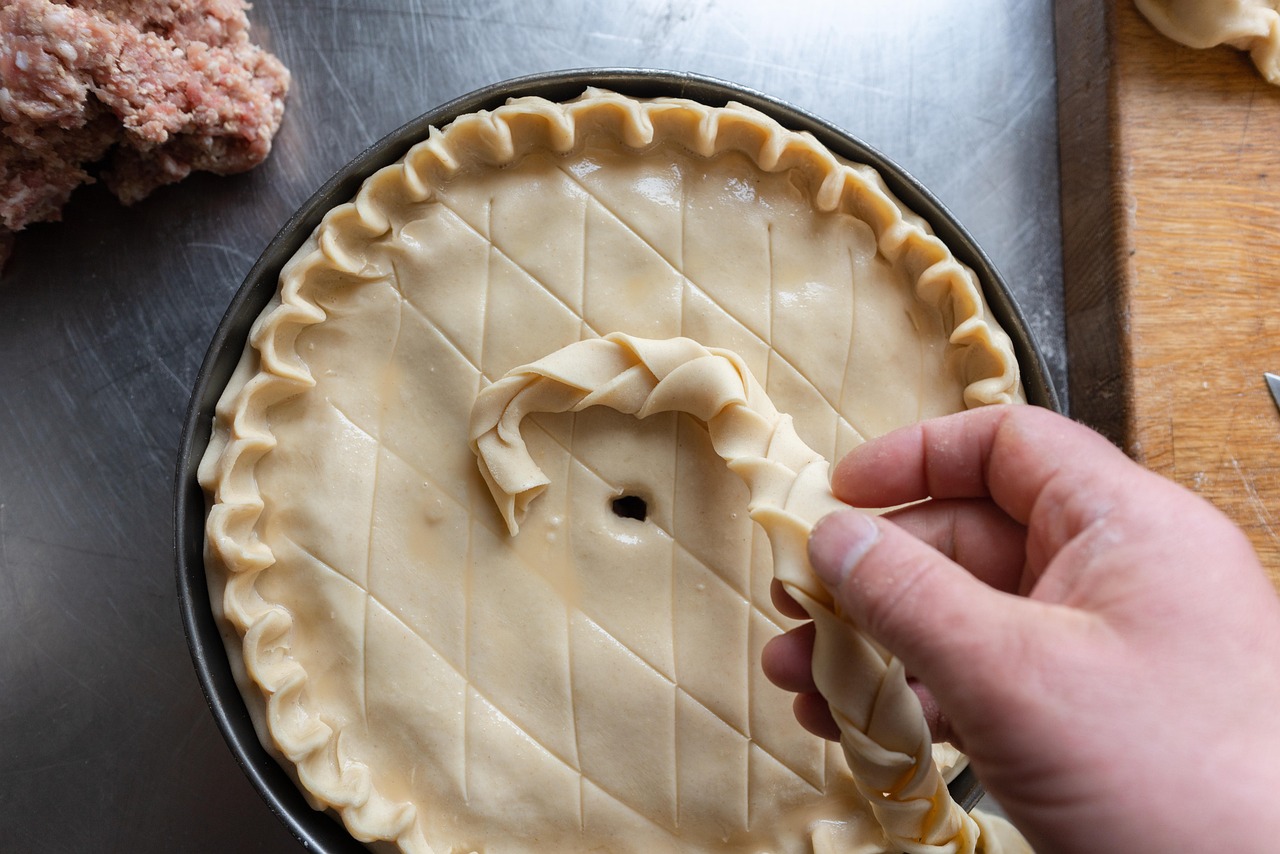
When you think about pie crusts, have you ever considered the rich, flaky magic of lard? This traditional fat elevates your baking, creating a texture that’s both tender and crisp. Grandma’s lard pie crust is more than just a recipe; it’s a family legacy. The secret lies in a few simple techniques and ingredients. Preparing this crust could transform your baking endeavors into something truly special. Are you ready to uncover the steps involved?

Old-Fashioned Lard Pie Crust Recipe
Ingredients (makes one 9-inch double crust)
- 2 ½ cups (315 g) all-purpose flour
- 1 teaspoon salt
- 1 cup (200 g) cold lard, cut into small cubes
- 6–8 tablespoons ice-cold water
Instructions
- Mix the dry ingredients:
In a large bowl, whisk together the flour and salt. - Cut in the lard:
Add the cold lard and use a pastry cutter or your fingertips to work it into the flour until the mixture resembles coarse crumbs with a few pea-sized pieces remaining. These little bits of fat are what make the crust extra flaky! - Add cold water:
Sprinkle the ice water in, 1 tablespoon at a time, mixing gently with a fork until the dough just comes together. Stop adding water as soon as the dough holds when pressed — don’t overmix. - Chill the dough:
Divide the dough in half, shape each half into a disc, and wrap in plastic wrap. Chill for at least 1 hour before rolling out. - Roll and shape:
On a lightly floured surface, roll one disc out to fit your pie plate. Gently transfer the crust to the pan, add your filling, and top with the second rolled crust if desired. - Bake:
Follow your pie recipe’s baking instructions. For a pre-baked crust, prick with a fork and bake at 400°F (200°C) for 10–12 minutes, until lightly golden.
Tips
- For a flakier crust, keep everything as cold as possible — even chill your mixing bowl and flour.
- Use leaf lard for the cleanest flavor and best texture.
- Lard pie crusts pair beautifully with apple pie, cherry pie, meat pies, and chicken pot pie.
- Dough can be made up to 2 days ahead or frozen for 2 months.
The History of Lard in Baking
Though you may not think much about it, lard has played a significant role in baking for centuries, revered by many for its ability to create exceptionally flaky and tender pie crusts. Never heard of it? Here’s a good overview.
Originating from the fat of pigs, lard was a staple in kitchens long before the rise of vegetable oils and shortening. In the 19th century, it became synonymous with comfort food, gracing family tables with its rich flavor and delightful texture.
Bakers across Europe and America swore by lard, often passing down cherished recipes through generations. Its unique properties allow crusts to achieve that perfect balance of crunch and melt-in-your-mouth goodness.
Why Choose Lard Over Other Fats?
When it comes to crafting the perfect pie crust, choosing lard over other fats can make a world of difference. Lard offers a unique combination of flavor and texture that other fats just can’t match.
It creates a wonderfully flaky crust that’s both tender and crisp, elevating your pie to a whole new level. Unlike butter, lard has a higher melting point, which helps maintain the structure during baking, preventing that dreaded sogginess.
Plus, lard is more forgiving than shortening, making it easier to work with for beginners. You’ll also appreciate its subtle richness, enhancing the overall taste of your pie without overpowering the filling.
Embracing lard in your baking is a step toward a truly exceptional pie experience. Not into lard? Try our vegan pie crust recipe for something different.
Essential Ingredients for a Perfect Crust
To achieve that perfect pie crust, you’ll need to gather a few key ingredients that work harmoniously together. First, choose high-quality all-purpose flour, as it provides the ideal structure.
Next, opt for lard—Grandma’s secret ingredient—for its rich flavor and flaky texture. You’ll also need a pinch of salt to enhance the taste, balancing the sweetness of your filling.
Don’t forget cold water; it’s essential in binding the dough without warming it up too much. Lastly, consider adding a splash of vinegar or lemon juice; this can tenderize the crust.
With these ingredients in hand, you’re well on your way to creating a delightful, homemade crust that’ll impress everyone at the table. Happy baking!
Step-by-Step Instructions for Making Lard Pie Crust
Creating a lard pie crust is a straightforward process that yields delicious results.
Begin by combining 2 cups of all-purpose flour and 1 teaspoon of salt in a mixing bowl. Cut in 1 cup of chilled lard with a pastry cutter until the mixture resembles coarse crumbs.
Gradually add 6 to 8 tablespoons of ice water, mixing gently until the dough holds together.
Divide the dough in half, shape each portion into a disk, and wrap them in plastic wrap. Refrigerate for at least one hour.
When you’re ready to roll out the dough, flour your surface and use a rolling pin to achieve your desired thickness.
Carefully place it in your pie dish, ready for filling. Enjoy your homemade crust!
Tips for Achieving the Flakiest Texture
After preparing your lard pie crust, achieving that coveted flaky texture involves a few key techniques.
First, keep your lard cold; chilling it helps create those distinct layers. When cutting the lard into the flour, use a pastry cutter or your fingers to ensure you don’t overmix—look for pea-sized pieces.
Next, add ice water gradually, mixing just until the dough holds together. Don’t be tempted to over-knead; a gentle touch maintains air pockets that contribute to flakiness.
When rolling out the dough, use minimal flour to prevent toughness.
Finally, let the crust rest in the fridge for at least 30 minutes before baking; this allows the gluten to relax, enhancing that flaky finish you desire.
Common Mistakes to Avoid
While making a lard pie crust can be rewarding, it’s easy to slip into common pitfalls that compromise its texture and flavor. One major mistake is overworking the dough; when you handle it too much, you’ll end up with a tough crust instead of a tender one.
Another misstep is using lard that’s too warm; keep it cold for that signature flakiness. Don’t forget to measure your ingredients accurately; even slight deviations can alter the outcome.
Also, allow your crust to rest in the fridge before rolling it out; this helps prevent shrinkage. Finally, avoid skipping the pre-baking step if your recipe calls for it; this ensures a crisp base and prevents sogginess.
Stay mindful, and you’ll achieve a perfect crust every time!
Creative Pie Ideas to Use With Lard Crust
When you think of lard crusts, savory and sweet possibilities come to mind that can elevate your baking game.
Picture a rich, flaky lard crust cradling a classic chicken pot pie, with tender chicken, vibrant vegetables, and a creamy sauce that warms the soul.
For a sweet twist, imagine a luscious blueberry pie, where the tart berries burst with flavor, perfectly balanced by a hint of cinnamon.
Don’t overlook quiches, either; a lard crust provides a delightful base for a savory blend of eggs, cheese, and fresh herbs.
Experiment with seasonal fruits, like peaches or apples, to create a stunning dessert pie.
Each of these options showcases the versatility of lard crusts, inviting you to explore and delight in your culinary creations.
Storing and Freezing Your Pie Crust
Properly storing and freezing your lard pie crust can extend its freshness, allowing you to enjoy that flaky texture whenever the craving strikes.
To store, wrap your crust tightly in plastic wrap or place it in an airtight container. Keep it in the refrigerator for up to three days.
If you want to freeze it, roll it out into your desired shape, then wrap it in plastic wrap followed by aluminum foil to prevent freezer burn.
Label it with the date, and it’ll keep well for up to three months.
When you’re ready to use it, thaw the crust in the fridge overnight.
This way, you’ll have a delicious, ready-to-use lard pie crust whenever your baking dreams arise!
Give It a Go
In crafting Grandma’s lard pie crust, you’re not just making a pastry; you’re creating a cherished experience steeped in tradition. The flaky, tender layers invite you to savor every bite, while the rich flavor elevates any filling you choose. By following these tips and embracing the secrets of lard, you’ll ensure that each pie you bake is a delightful homage to family heritage. So roll up your sleeves and let the magic of lard transform your baking today!