
When it comes to creating a delightful dessert, a cookie crust can elevate your dish with both texture and flavor. You’re likely familiar with the satisfying crunch it brings, but have you explored the various types you can use? Each cookie variety offers a unique taste profile, transforming your favorite treats into something extraordinary. Let’s explore how to craft the perfect cookie crust and the delicious desserts that can benefit from this simple yet elegant base.
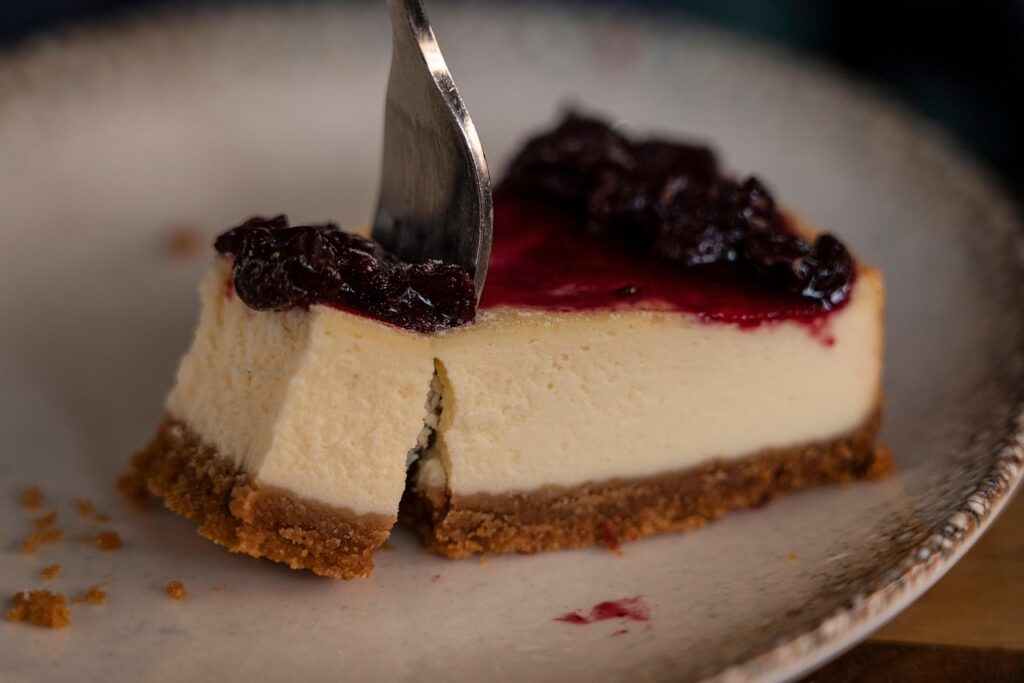
Cookie or Nilla Wafer Pie Crust Recipe
Ingredients
- 1 ½ cups (about 45–50) crushed Nilla Wafers or cookie crumbs
- 1/4 cup (50 g) granulated sugar (optional, depending on cookie sweetness)
- 5 tablespoons (70 g) unsalted butter, melted
- Pinch of salt (optional)
You can also use graham crackers, gingersnaps, or chocolate cookies — this base works with all!
Instructions
- Make the crumbs:
Crush Nilla Wafers or cookies in a food processor until fine and even. (You can also place them in a zip-top bag and crush with a rolling pin.) - Mix the crust:
In a medium bowl, combine the cookie crumbs, sugar, and melted butter. Stir until the crumbs are evenly moistened and resemble wet sand. - Press into pan:
Pour the mixture into a 9-inch pie dish. Use the back of a spoon or a flat-bottomed measuring cup to press the crumbs firmly across the bottom and up the sides. - Chill or bake:
- For no-bake pies: Chill for at least 1 hour before filling.
- For baked pies: Bake at 350°F (175°C) for 8–10 minutes, until lightly golden and set. Cool completely before adding your filling.
Tips
- For extra flavor, add 1/2 teaspoon vanilla extract or a pinch of cinnamon to the crumb mixture.
- If using Oreos or other filled cookies, reduce or omit the sugar.
- Works beautifully with banana cream, chocolate silk, cheesecake, or key lime fillings.
The Basics of Cookie Crusts
When it comes to baking, a cookie crust can be a game changer for desserts, adding a delightful crunch and rich flavor.
To create a perfect cookie crust, you’ll want to start with a base of crushed cookies, usually mixed with melted butter. This combination binds the crumbs together, providing structure and taste. You can experiment with different cookie types to achieve unique flavors, from classic chocolate chip to zesty ginger snaps.
After mixing, press the mixture firmly into your chosen pan, ensuring it’s even. Bake it briefly to set and enhance the flavors.
Once cooled, you can fill it with your favorite fillings, transforming simple desserts into indulgent creations that are sure to impress. Enjoy the process and savor the results!
Popular Types of Cookie Crusts
There are several popular types of cookie crusts that can elevate your desserts and cater to various taste preferences.
The classic chocolate chip cookie crust offers a rich, buttery base that pairs beautifully with creamy fillings.
If you prefer something a bit more adventurous, try a peanut butter cookie crust; its nutty flavor adds depth to any dish.
For a delightful twist, consider a ginger snap crust, which brings a zesty warmth to your treats.
Lastly, a shortbread cookie crust provides a melt-in-your-mouth texture with a subtle sweetness, perfect for custards or cheesecakes.
Whichever you choose, these cookie crusts not only enhance your desserts but also provide an inviting contrast to rich fillings and toppings.
How to Make a Classic Cookie Crust
Creating a classic cookie crust is both simple and rewarding, offering a delightful foundation for your favorite desserts.
Start by preheating your oven to 350°F (175°C). In a mixing bowl, combine 1 ½ cups of crushed cookies—like graham crackers or Oreos—with ½ cup of melted butter and ¼ cup of sugar.
Mix until the crumbs are evenly moistened. Press the mixture firmly into the bottom of a 9-inch pie pan, ensuring it’s compact and even. Bake for 8-10 minutes, until golden and fragrant.
Allow it to cool completely before adding your filling. This cookie crust’s buttery sweetness and satisfying crunch will elevate any dessert you choose, making it a go-to base for your culinary creations. Enjoy!
Tips for Perfecting Your Cookie Crust
Although mastering the art of a cookie crust may seem daunting, a few key tips can elevate your baking game.
First, always use chilled butter; it creates a flakier texture. When mixing your ingredients, avoid overworking the dough—this keeps your crust tender. You’ll want to press the dough firmly into the pan, ensuring it’s even and well-distributed.
For a perfect bake, chill your crust before filling it; this helps maintain its shape. Pre-baking is another essential step; it prevents sogginess and enhances flavor.
Finally, don’t forget to adjust your baking time based on your oven’s quirks—every oven is a little different.
With these tips, you’ll create a cookie crust that’s both delicious and visually appealing. Happy baking!
Creative Flavor Variations
Exploring creative flavor variations can transform your cookie crust from ordinary to extraordinary. Imagine infusing your base with zesty citrus zest, like lemon or orange, to brighten each bite.
Alternatively, consider adding a touch of espresso powder for a sophisticated, coffee-kissed depth. For a nutty twist, mix in finely chopped almonds or hazelnuts, enhancing both texture and flavor.
Don’t shy away from spices; a hint of cinnamon or cardamom can elevate your crust to new heights. If you’re feeling adventurous, try incorporating extracts such as almond or coconut for unique undertones.
Delicious Desserts to Make With Cookie Crusts
What desserts can truly benefit from a cookie crust? You’ll find that the options are delightful and varied.
Think about a rich cheesecake, where the buttery crunch of the cookie crust perfectly complements the creamy filling.
How about a luscious chocolate mousse tart, with a crumbly base that adds texture to every bite?
You can also create a vibrant fruit tart, using a cookie crust to enhance the natural sweetness of fresh berries or citrus.
For a fun twist, try a cookie crust for your classic ice cream pie, layering flavors and textures that’ll impress your guests.
Each dessert becomes an adventure, and you’ll see how a simple cookie crust elevates your creations to new heights.
Troubleshooting Common Cookie Crust Issues
When you’re crafting a cookie crust, it’s not uncommon to encounter a few hiccups along the way. If your crust crumbles too easily, try adding a touch more butter or a bit of water to bind it better.
For a crust that’s too hard, reduce the baking time slightly or lower the oven temperature. If it’s sticking to the pan, line it with parchment paper before pressing in the dough.
Sometimes, you might find the crust too sweet; consider balancing it with a pinch of salt or using a less sugary cookie.
Lastly, if the crust doesn’t hold its shape, ensure you’re packing it firmly and allowing it to cool completely before adding fillings.
Happy baking!
Conclusion
Incorporating a cookie crust into your desserts elevates them with delightful flavor and texture. By mastering the basics and experimenting with various cookie types, you can create a foundation that complements any filling. Remember to press firmly, bake briefly, and don’t shy away from creative flavor tweaks. With these tips in hand, you’re well on your way to crafting irresistible treats that will impress your friends and family. Enjoy the sweet journey of baking with cookie crusts!